
ChatGPT Plus Features Redesign
My Role:
Product Manager, product design lead
Other Members:
Sanskruti Deshpande, Ming Xu, Jungah Lim, Rivai Wei
Project Type:
Product (App) Design
Project Date
11/2025
Vision Video
Vision Video
Vision Video
Vision Video
AI-Augmented Process
Discover Opportunities and Research
What AI did:
Drafted research and project roadmap
Gathered market and user research data
Synthesized multi-channel research into insights
What I do:
Directed AI-workflow for the team
Aligned and decided roadmaps and plans
Verified secondary research sources
Prioritized insights into actions
Iterative Design Process
What AI did:
Drafted early sketches in Figma Make
Analyzed usability test results
What I do:
Refined visual polish and design changes
Prioritized on design changes
Validation and Impact Measurement
What AI did:
Analyzed usability test results
Calculated ROI measurement
What I do:
Fact-checked AI accuracy
Interpreted results and visualized findings
AI-Augmented Process
Discover Opportunities and Research
What AI did:
Drafted research and project roadmap
Gathered market and user research data
Synthesized multi-channel research into insights
What I do:
Directed AI-workflow for the team
Aligned and decided roadmaps and plans
Verified secondary research sources
Prioritized insights into actions
Iterative Design Process
What AI did:
Drafted early sketches in Figma Make
Analyzed usability test results
What I do:
Refined visual polish and design changes
Prioritized on design changes
Validation and Impact Measurement
What AI did:
Analyzed usability test results
Calculated ROI measurement
What I do:
Fact-checked AI accuracy
Interpreted results and visualized findings
AI-Augmented Process
Discover Opportunities and Research
What AI did:
Drafted research and project roadmap
Gathered market and user research data
Synthesized multi-channel research into insights
What I do:
Directed AI-workflow for the team
Aligned and decided roadmaps and plans
Verified secondary research sources
Prioritized insights into actions
Iterative Design Process
What AI did:
Drafted early sketches in Figma Make
Analyzed usability test results
What I do:
Refined visual polish and design changes
Prioritized on design changes
Validation and Impact Measurement
What AI did:
Analyzed usability test results
Calculated ROI measurement
What I do:
Fact-checked AI accuracy
Interpreted results and visualized findings
AI-Augmented Process
Discover Opportunities and Research
What AI did:
Drafted research and project roadmap
Gathered market and user research data
Synthesized multi-channel research into insights
What I do:
Directed AI-workflow for the team
Aligned and decided roadmaps and plans
Verified secondary research sources
Prioritized insights into actions
Iterative Design Process
What AI did:
Drafted early sketches in Figma Make
Analyzed usability test results
What I do:
Refined visual polish and design changes
Prioritized on design changes
Validation and Impact Measurement
What AI did:
Analyzed usability test results
Calculated ROI measurement
What I do:
Fact-checked AI accuracy
Interpreted results and visualized findings
The Missing Revenue
Plus Users are the Core of Revenue
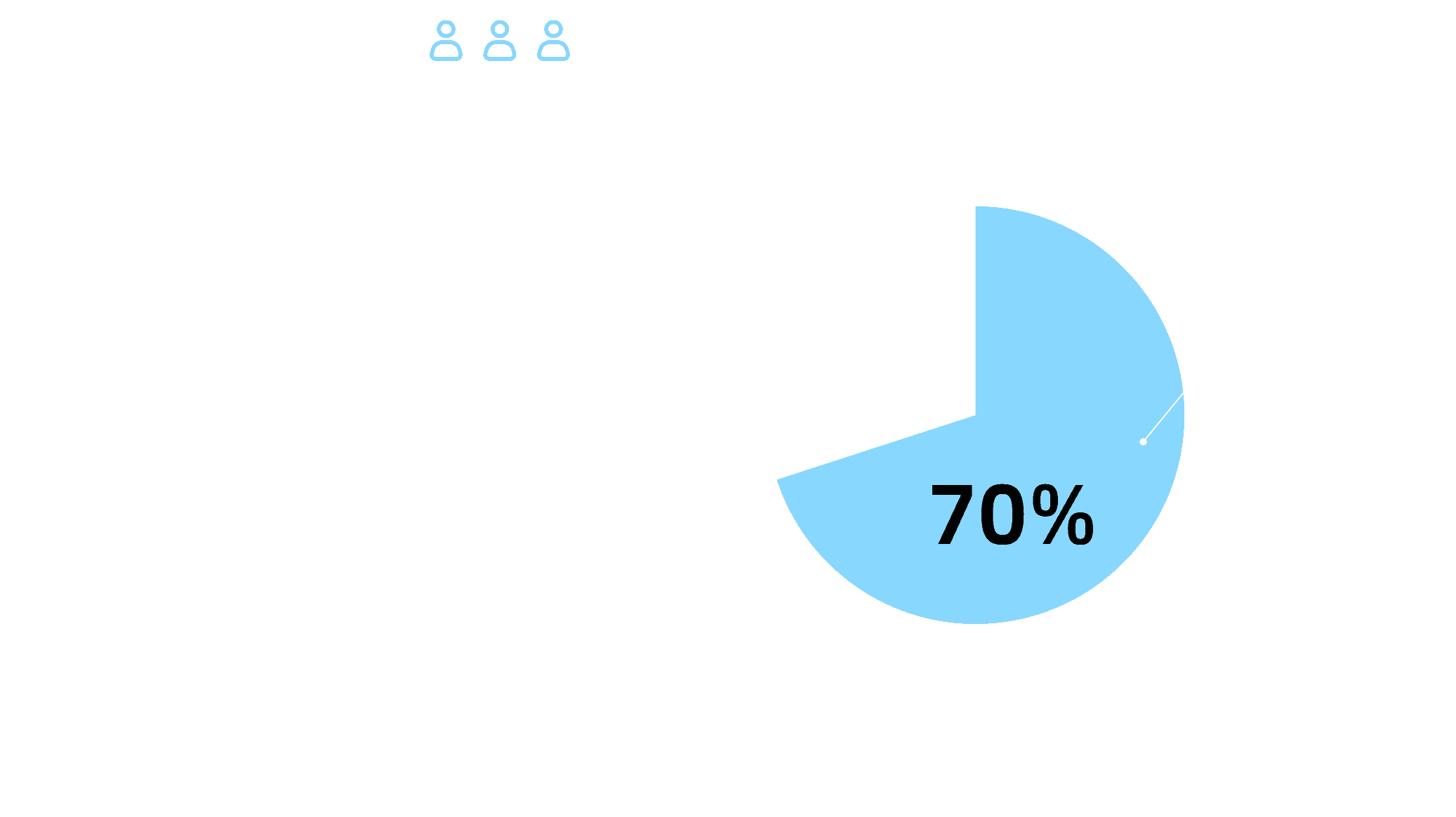
*Based on data from OpenAI & Bloomberg, Oct, 2025.
During my research, I found that the conversion rate from free to Plus is significantly lower than that of typical freemium products, with most estimates suggesting it is under 1%. Yet, according to OpenAI’s reported figures, Plus users account for nearly 70% of annual revenue. This contrast highlights a substantial monetization opportunity: even a modest increase in Plus adoption could drive meaningful revenue growth.
The Lack of Value in Plus Tier
To better understand user satisfaction with the current experience, our team conducted a survey with over 60 participants. Through data analysis, I identified three recurring patterns that revealed several significant underlying issues in the ChatGPT experience.

Plus users feel the paid tier does not deliver sufficient value
75% of Plus users believe the pricing does not match the value they receive.

Plus users have limited exposure to Plus-exclusive features
88.2% of Plus users have never used, or have only used one, of the advanced features included in the subscription.
77.9% of Plus users are not aware of what Plus features actually include.

Plus user satisfaction is moderate, indicating a risk of churn if strong competitors enter the market.
NPS score: 1.4, indicating low overall satisfaction.
67.2% of Plus users say they are open to switch to another Gen AI product.
Key Opportunities:
Strong value proposition for Plus tier
Feature discoverability and learnability improvement
Enhance experience of Plus-exclusive features
The Missing Revenue
Plus Users are the Core of Revenue
*Based on data from OpenAI & Bloomberg, Oct, 2025.
During my research, I found that the conversion rate from free to Plus is significantly lower than that of typical freemium products, with most estimates suggesting it is under 1%. Yet, according to OpenAI’s reported figures, Plus users account for nearly 70% of annual revenue. This contrast highlights a substantial monetization opportunity: even a modest increase in Plus adoption could drive meaningful revenue growth.
The Lack of Value in Plus Tier
To better understand user satisfaction with the current experience, our team conducted a survey with over 60 participants. Through data analysis, I identified three recurring patterns that revealed several significant underlying issues in the ChatGPT experience.
Plus users feel the paid tier does not deliver sufficient value
75% of Plus users believe the pricing does not match the value they receive.
Plus users have limited exposure to Plus-exclusive features
88.2% of Plus users have never used, or have only used one, of the advanced features included in the subscription.
77.9% of Plus users are not aware of what Plus features actually include.
Plus user satisfaction is moderate, indicating a risk of churn if strong competitors enter the market.
NPS score: 1.4, indicating low overall satisfaction.
67.2% of Plus users say they are open to switch to another Gen AI product.
Key Opportunities:
Strong value proposition for Plus tier
Feature discoverability and learnability improvement
Enhance experience of Plus-exclusive features
The Missing Revenue
Plus Users are the Core of Revenue
*Based on data from OpenAI & Bloomberg, Oct, 2025.
During my research, I found that the conversion rate from free to Plus is significantly lower than that of typical freemium products, with most estimates suggesting it is under 1%. Yet, according to OpenAI’s reported figures, Plus users account for nearly 70% of annual revenue. This contrast highlights a substantial monetization opportunity: even a modest increase in Plus adoption could drive meaningful revenue growth.
The Lack of Value in Plus Tier
To better understand user satisfaction with the current experience, our team conducted a survey with over 60 participants. Through data analysis, I identified three recurring patterns that revealed several significant underlying issues in the ChatGPT experience.
Plus users feel the paid tier does not deliver sufficient value
75% of Plus users believe the pricing does not match the value they receive.
Plus users have limited exposure to Plus-exclusive features
88.2% of Plus users have never used, or have only used one, of the advanced features included in the subscription.
77.9% of Plus users are not aware of what Plus features actually include.
Plus user satisfaction is moderate, indicating a risk of churn if strong competitors enter the market.
NPS score: 1.4, indicating low overall satisfaction.
67.2% of Plus users say they are open to switch to another Gen AI product.
Key Opportunities:
Strong value proposition for Plus tier
Feature discoverability and learnability improvement
Enhance experience of Plus-exclusive features
Identifying The Problems
Summative Usability Testing Method
I designed a summative usability testing plan to help our team uncover the specific challenges users face when interacting with ChatGPT. The study focused on advanced features primarily used by Plus subscribers, allowing us to evaluate how effectively these premium capabilities support real user needs. The sample size of this study is 16.
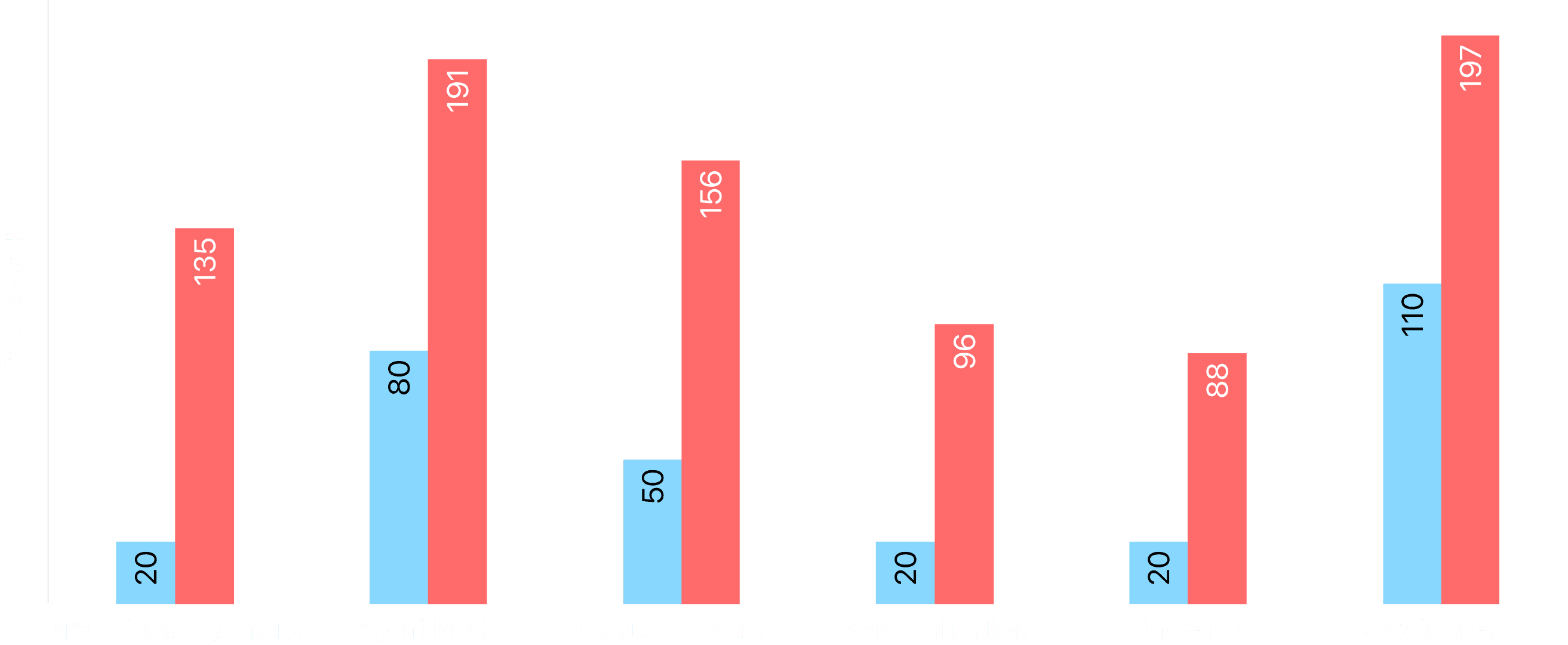
Usability Metrics Are Not Met
Our quantitative findings showed that many of the Plus-exclusive features did not meet the expected usability benchmarks. Core, forward-leaning capabilities, such as Agent Mode and Custom GPTs, demonstrated particularly low usability. This significantly reduced the overall value delivered to Plus subscribers and weakened the perceived benefits of the paid tier.
Confidence Interval of System Usability Scale (SUS) Score
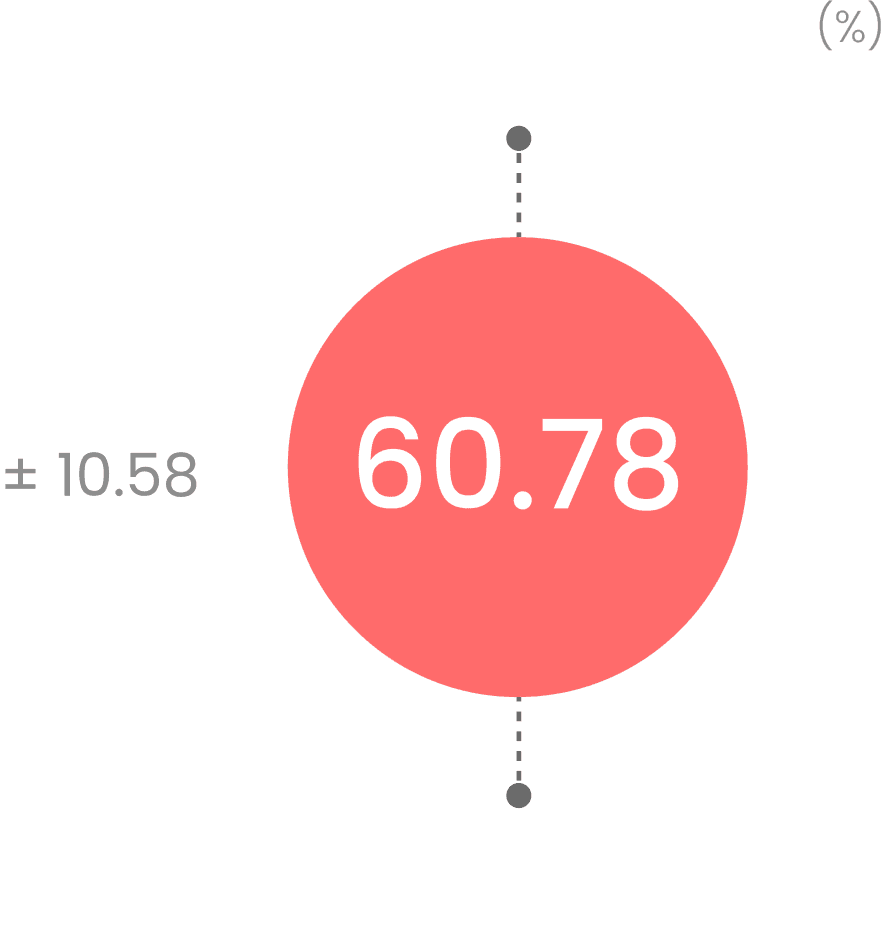
Target SUS Score: 80+
Average Task Success Rate (TSR) of Each Task
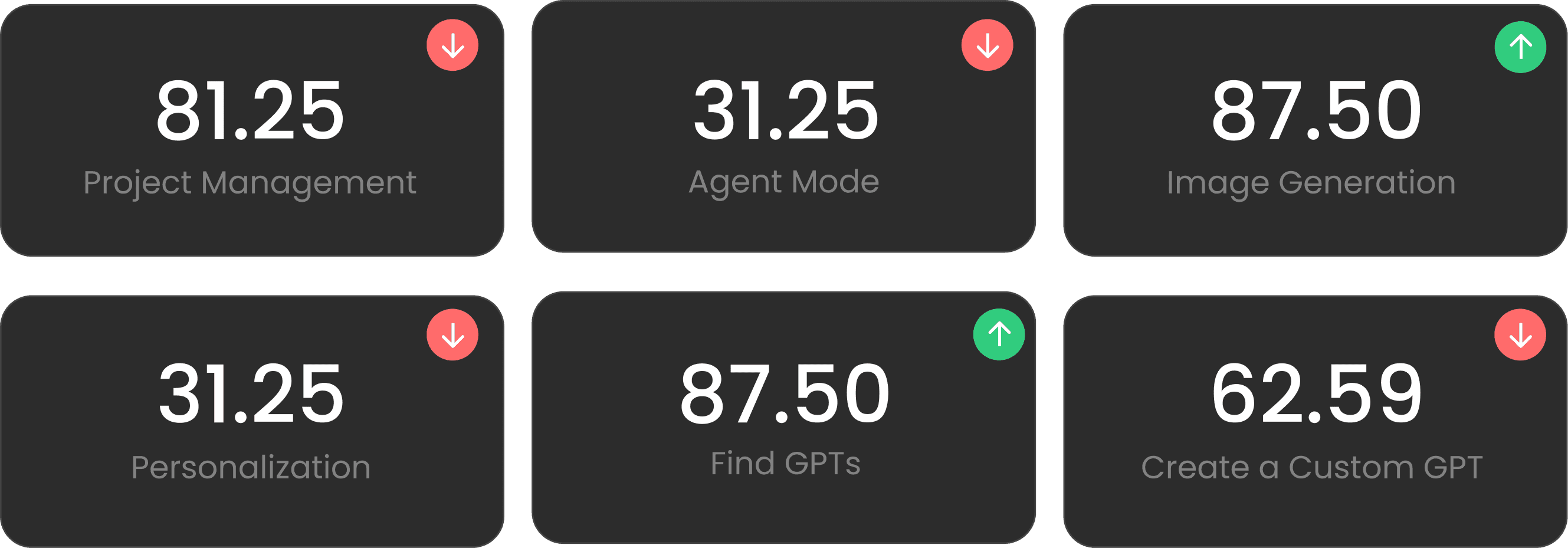
Target TSR: 85%+
Average Time-on-Task (ToT) of Each Task
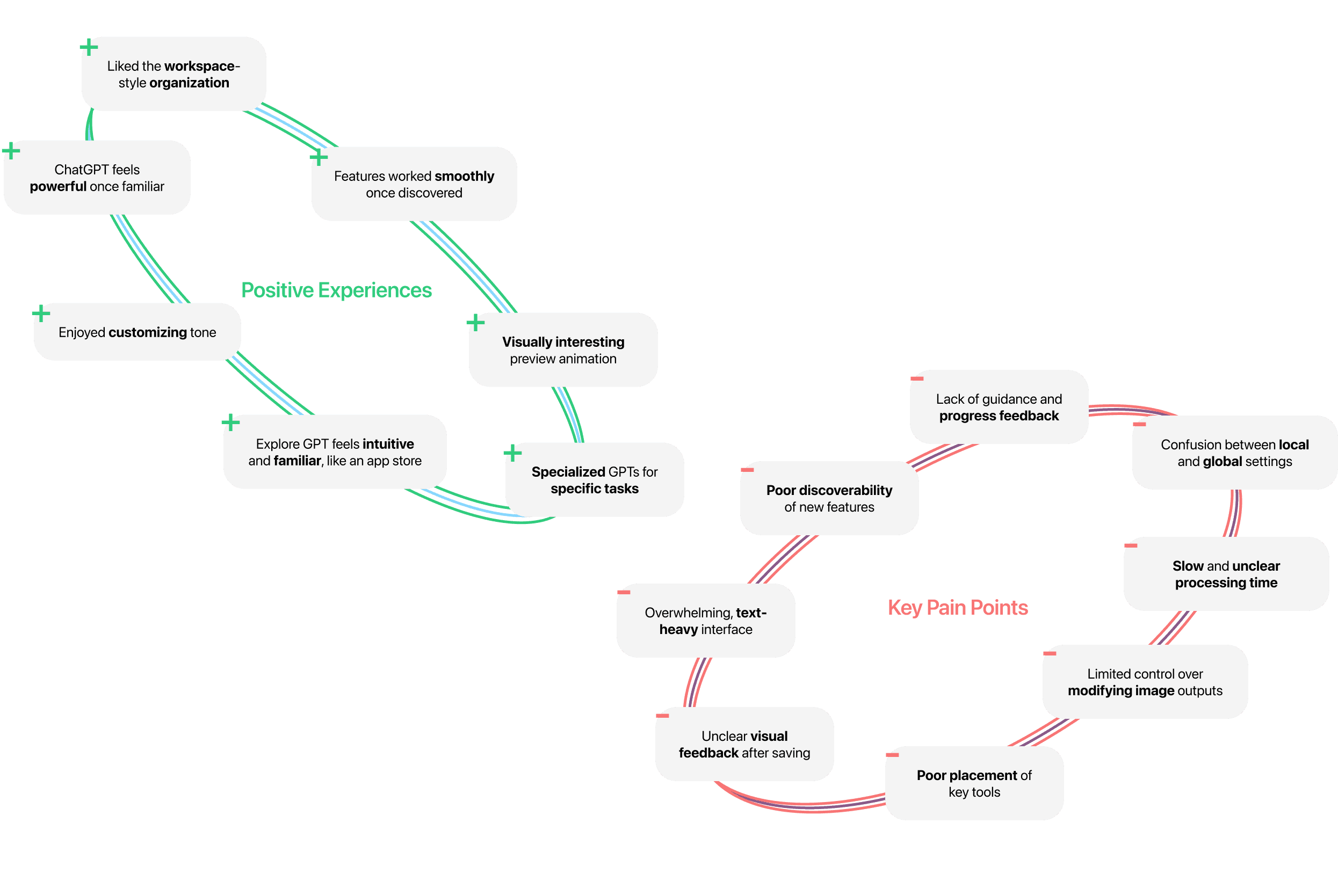
A Mix of Good and Bad
Across more than 20 hours of testing, we closely observed user behavior and listened carefully to their feedback. This allowed us to identify the core pain points that require improvement. At the same time, we documented the aspects of the experience that users were most satisfied with, ensuring that we preserve and further strengthen ChatGPT’s existing advantages.
Focus on the Importance
Through extensive usability testing, it became clear that implementing all potential improvements would require significant time and resources from both our team and OpenAI. To maximize impact, I guided the team to prioritize enhancements for the most influential Plus features, informed by secondary research and projected user value.

Agent Mode
According to Salesforce research, 44% of U.S. consumers and 70% of Gen Z are willing to use an AI agent as a personal assistant. Gen Z also makes up the largest share of Plus subscribers.

Custom GPT
With over 3 million custom GPTs created, continued investment in this ecosystem can strengthen Plus value and grow a loyal creator community.

Image Generation
Over 130 million users generated 700 million images in the first week of launch, showing massive demand. With strong competition in image generation, ChatGPT must offer a smooth, high-quality experience to retain users.
Our Vision for Redesign:
Clear discoverability - through better Information Architecture & Micro-tutorials
Intuitive to use - even for first time users
More engaging - make wait time usable
Non-technical users friendly - less jargon, more concise UX writings and assisted features
Tangible feedback - key interactions should feel responsive and provide timely feedback
Identifying The Problems
Summative Usability Testing Method
I designed a summative usability testing plan to help our team uncover the specific challenges users face when interacting with ChatGPT. The study focused on advanced features primarily used by Plus subscribers, allowing us to evaluate how effectively these premium capabilities support real user needs. The sample size of this study is 16.
Usability Metrics Are Not Met
Our quantitative findings showed that many of the Plus-exclusive features did not meet the expected usability benchmarks. Core, forward-leaning capabilities, such as Agent Mode and Custom GPTs, demonstrated particularly low usability. This significantly reduced the overall value delivered to Plus subscribers and weakened the perceived benefits of the paid tier.
Confidence Interval of System Usability Scale (SUS) Score
Target SUS Score: 80+
Average Task Success Rate (TSR) of Each Task
Target TSR: 85%+
Average Time-on-Task (ToT) of Each Task
A Mix of Good and Bad
Across more than 20 hours of testing, we closely observed user behavior and listened carefully to their feedback. This allowed us to identify the core pain points that require improvement. At the same time, we documented the aspects of the experience that users were most satisfied with, ensuring that we preserve and further strengthen ChatGPT’s existing advantages.
Focus on the Importance
Through extensive usability testing, it became clear that implementing all potential improvements would require significant time and resources from both our team and OpenAI. To maximize impact, I guided the team to prioritize enhancements for the most influential Plus features, informed by secondary research and projected user value.
Agent Mode
According to Salesforce research, 44% of U.S. consumers and 70% of Gen Z are willing to use an AI agent as a personal assistant. Gen Z also makes up the largest share of Plus subscribers.
Custom GPT
With over 3 million custom GPTs created, continued investment in this ecosystem can strengthen Plus value and grow a loyal creator community.
Image Generation
Over 130 million users generated 700 million images in the first week of launch, showing massive demand. With strong competition in image generation, ChatGPT must offer a smooth, high-quality experience to retain users.
Our Vision for Redesign:
Clear discoverability - through better Information Architecture & Micro-tutorials
Intuitive to use - even for first time users
More engaging - make wait time usable
Non-technical users friendly - less jargon, more concise UX writings and assisted features
Tangible feedback - key interactions should feel responsive and provide timely feedback
Identifying The Problems
Summative Usability Testing Method
I designed a summative usability testing plan to help our team uncover the specific challenges users face when interacting with ChatGPT. The study focused on advanced features primarily used by Plus subscribers, allowing us to evaluate how effectively these premium capabilities support real user needs. The sample size of this study is 16.
Usability Metrics Are Not Met
Our quantitative findings showed that many of the Plus-exclusive features did not meet the expected usability benchmarks. Core, forward-leaning capabilities, such as Agent Mode and Custom GPTs, demonstrated particularly low usability. This significantly reduced the overall value delivered to Plus subscribers and weakened the perceived benefits of the paid tier.
Confidence Interval of System Usability Scale (SUS) Score
Target SUS Score: 80+
Average Task Success Rate (TSR) of Each Task
Target TSR: 85%+
Average Time-on-Task (ToT) of Each Task
A Mix of Good and Bad
Across more than 20 hours of testing, we closely observed user behavior and listened carefully to their feedback. This allowed us to identify the core pain points that require improvement. At the same time, we documented the aspects of the experience that users were most satisfied with, ensuring that we preserve and further strengthen ChatGPT’s existing advantages.
Focus on the Importance
Through extensive usability testing, it became clear that implementing all potential improvements would require significant time and resources from both our team and OpenAI. To maximize impact, I guided the team to prioritize enhancements for the most influential Plus features, informed by secondary research and projected user value.
Agent Mode
According to Salesforce research, 44% of U.S. consumers and 70% of Gen Z are willing to use an AI agent as a personal assistant. Gen Z also makes up the largest share of Plus subscribers.
Custom GPT
With over 3 million custom GPTs created, continued investment in this ecosystem can strengthen Plus value and grow a loyal creator community.
Image Generation
Over 130 million users generated 700 million images in the first week of launch, showing massive demand. With strong competition in image generation, ChatGPT must offer a smooth, high-quality experience to retain users.
Our Vision for Redesign:
Clear discoverability - through better Information Architecture & Micro-tutorials
Intuitive to use - even for first time users
More engaging - make wait time usable
Non-technical users friendly - less jargon, more concise UX writings and assisted features
Tangible feedback - key interactions should feel responsive and provide timely feedback
Identifying The Problems
Summative Usability Testing Method
I designed a summative usability testing plan to help our team uncover the specific challenges users face when interacting with ChatGPT. The study focused on advanced features primarily used by Plus subscribers, allowing us to evaluate how effectively these premium capabilities support real user needs. The sample size of this study is 16.
Usability Metrics Are Not Met
Our quantitative findings showed that many of the Plus-exclusive features did not meet the expected usability benchmarks. Core, forward-leaning capabilities, such as Agent Mode and Custom GPTs, demonstrated particularly low usability. This significantly reduced the overall value delivered to Plus subscribers and weakened the perceived benefits of the paid tier.
Confidence Interval of System Usability Scale (SUS) Score
Target SUS Score: 80+
Average Task Success Rate (TSR) of Each Task
Target TSR: 85%+
Average Time-on-Task (ToT) of Each Task
A Mix of Good and Bad
Across more than 20 hours of testing, we closely observed user behavior and listened carefully to their feedback. This allowed us to identify the core pain points that require improvement. At the same time, we documented the aspects of the experience that users were most satisfied with, ensuring that we preserve and further strengthen ChatGPT’s existing advantages.
Focus on the Importance
Through extensive usability testing, it became clear that implementing all potential improvements would require significant time and resources from both our team and OpenAI. To maximize impact, I guided the team to prioritize enhancements for the most influential Plus features, informed by secondary research and projected user value.
Agent Mode
According to Salesforce research, 44% of U.S. consumers and 70% of Gen Z are willing to use an AI agent as a personal assistant. Gen Z also makes up the largest share of Plus subscribers.
Custom GPT
With over 3 million custom GPTs created, continued investment in this ecosystem can strengthen Plus value and grow a loyal creator community.
Image Generation
Over 130 million users generated 700 million images in the first week of launch, showing massive demand. With strong competition in image generation, ChatGPT must offer a smooth, high-quality experience to retain users.
Our Vision for Redesign:
Clear discoverability - through better Information Architecture & Micro-tutorials
Intuitive to use - even for first time users
More engaging - make wait time usable
Non-technical users friendly - less jargon, more concise UX writings and assisted features
Tangible feedback - key interactions should feel responsive and provide timely feedback
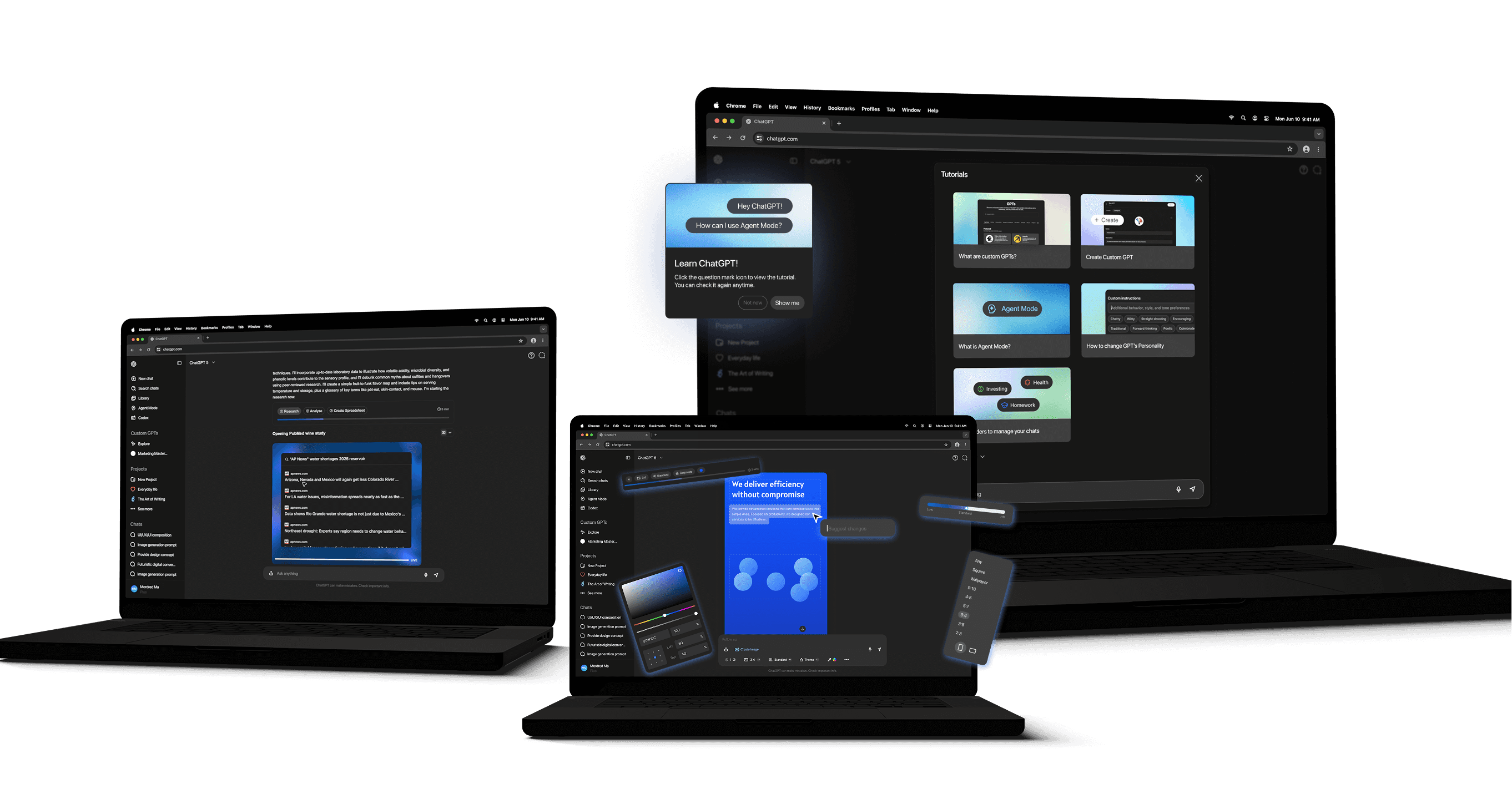
The New Vision
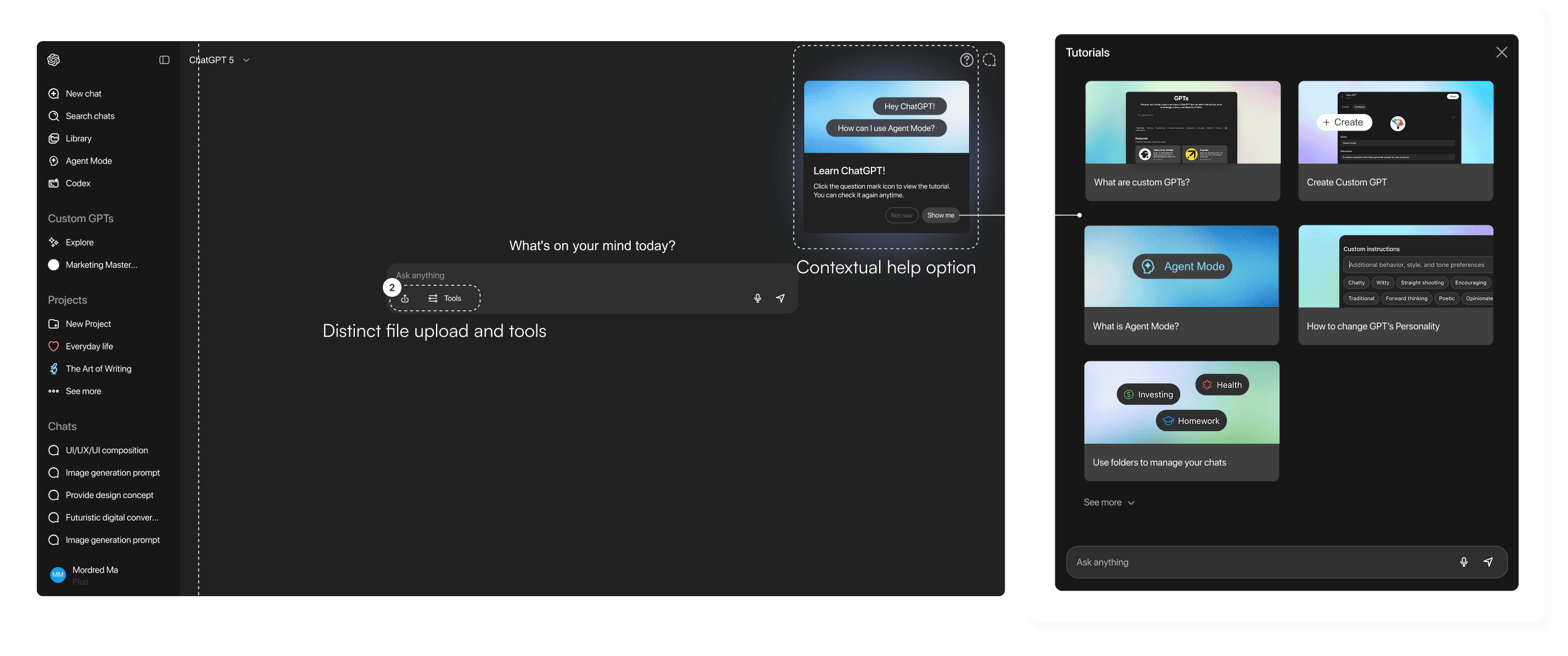
Homepage:
To align with the new design, we refined the homepage to offer immediate onboarding and strengthen the overall information architecture.
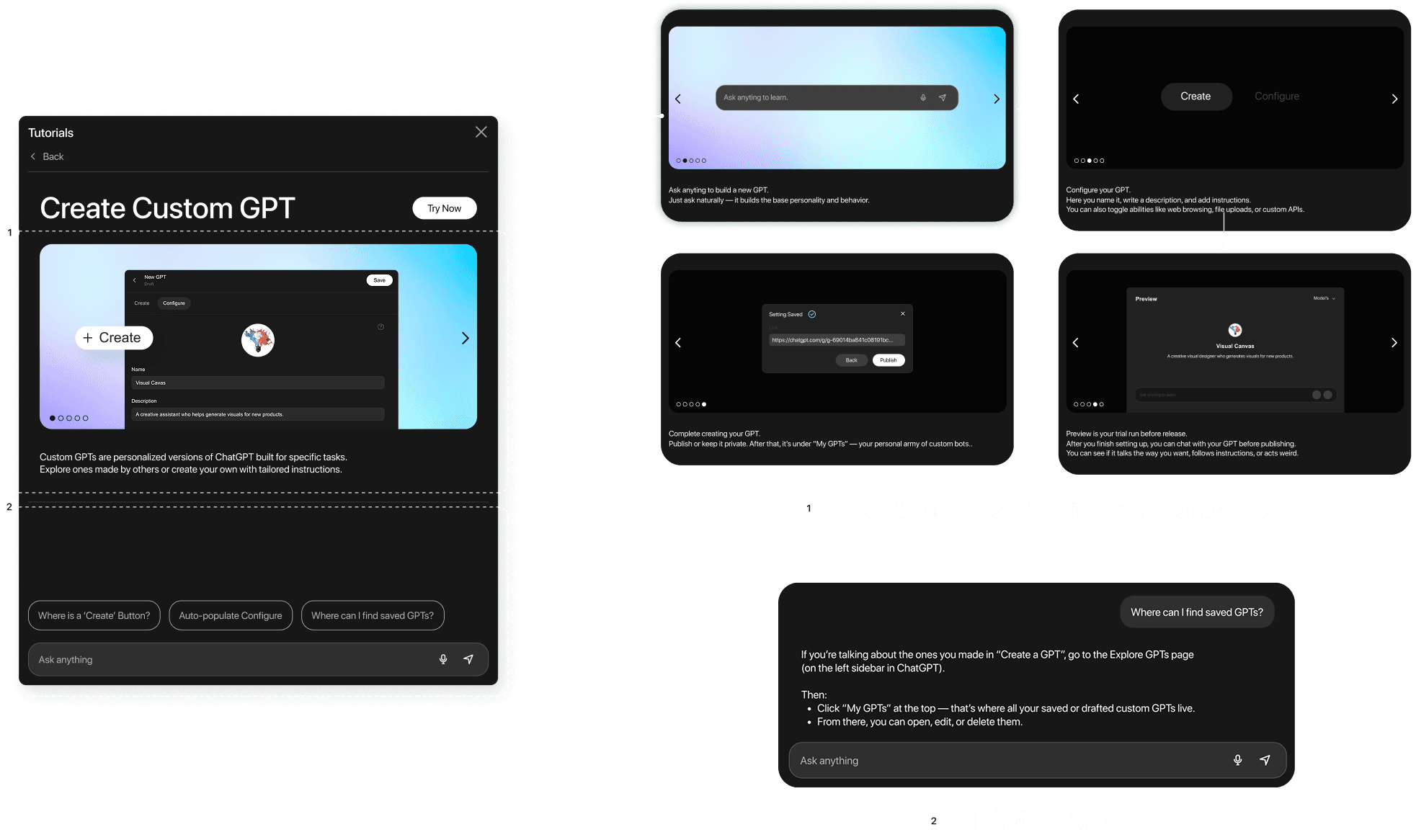
Micro-tutorials:
To help users better understand different Plus-tier features, we introduced an intuitive micro-tutorial system to improve feature discoverability and learnability. In addition to text and animation–based step-by-step guides, we also recommend integrating a Q&A AI agent to provide more adaptive, conversational support.
Agent Mode:
Agent Mode is significantly under-utilized due to poor discoverability and long, unpredictable wait times. Our design moves it into the main navigation and introduces a clearer progress system, enabling users to better utilize their wait time and encouraging more frequent use.
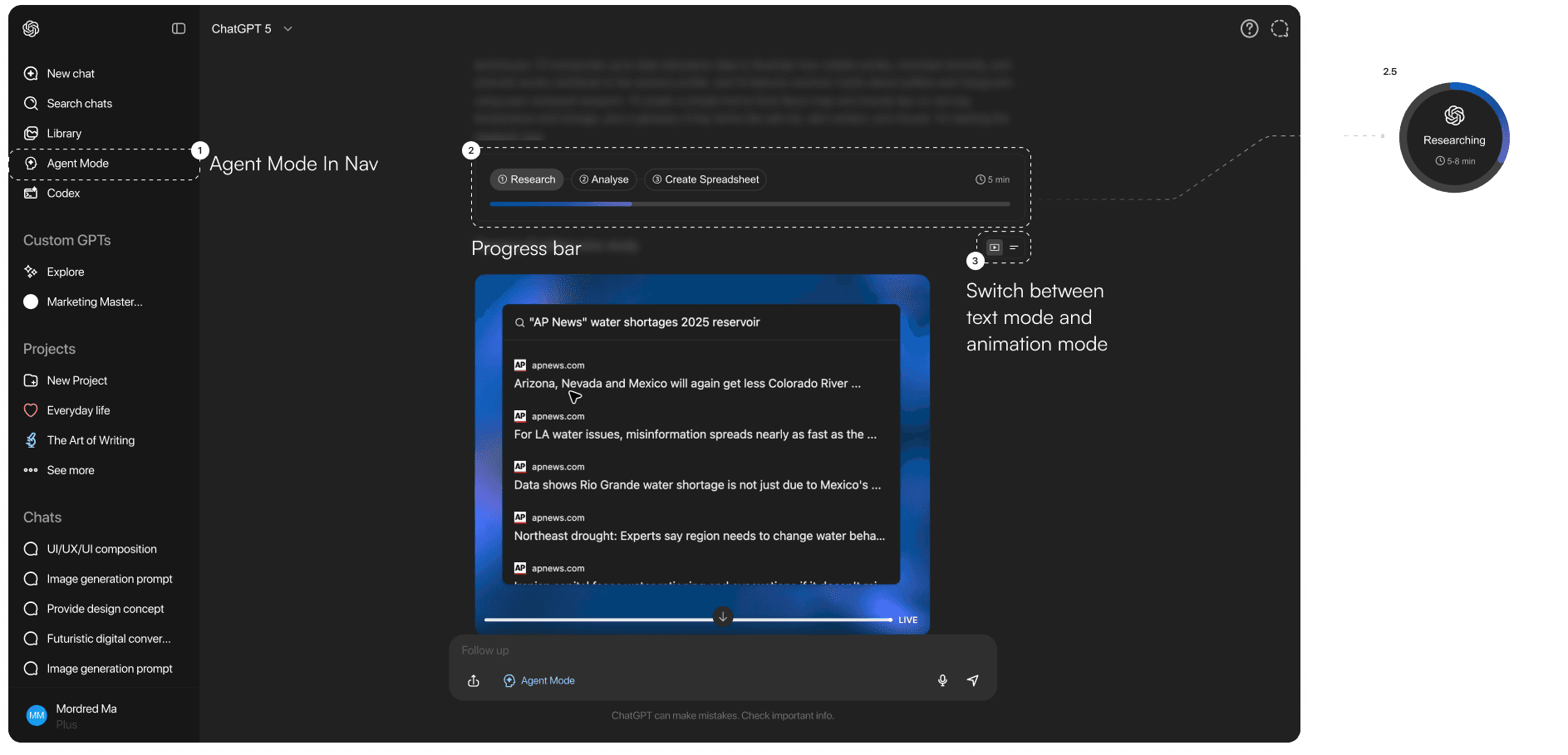
Image Generation:
For image generation, our design provide more advanced prompting options and streamline the image-adjustment workflow to improve feature discoverability and overall usability.
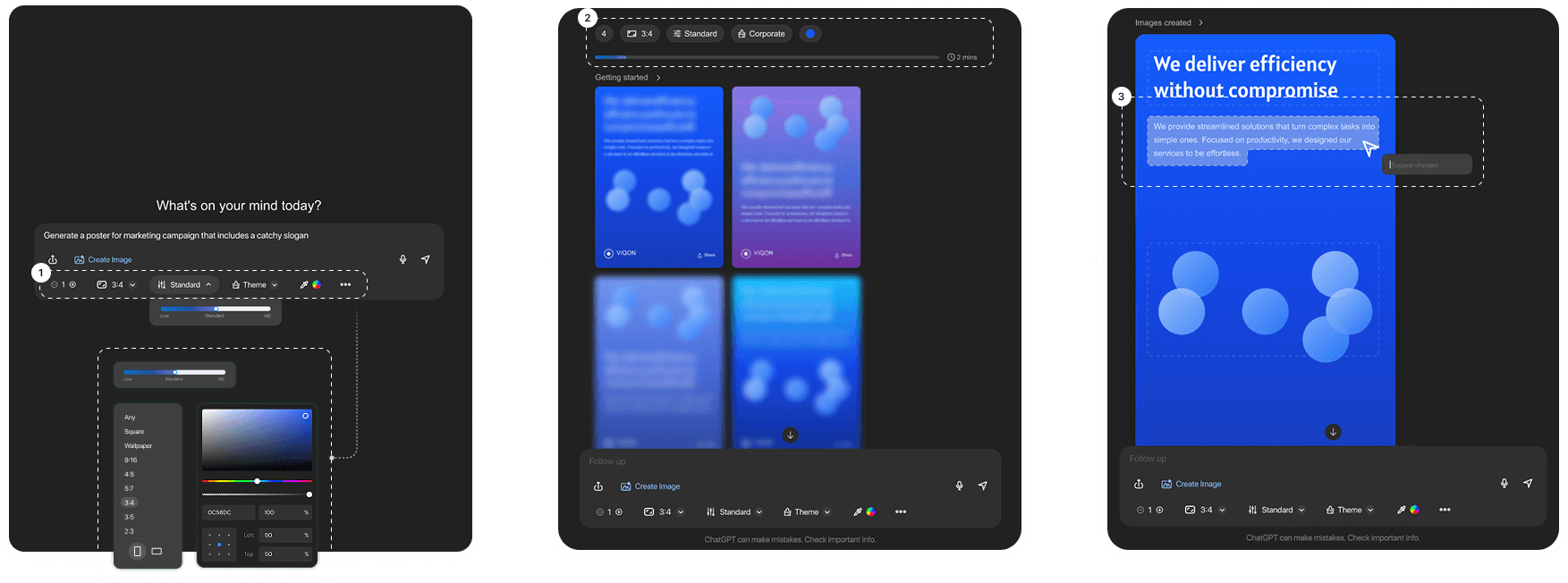
Provide practical tools that simplify the prompting process.
Offer progress feedback and lightweight in-progress editing options.
Simplify region-based image editing to a drag-to-select interaction.
A Needed Improvement:
Overall, our redesign focuses on enhancing the product value and user experience for Plus subscribers while preserving the familiar ChatGPT visuals and architecture. This allows users to benefit from a significantly improved experience without needing to relearn the interface, ensuring a smooth and low-friction launch.
The New Vision
Homepage:
To align with the new design, we refined the homepage to offer immediate onboarding and strengthen the overall information architecture.
Micro-tutorials:
To help users better understand different Plus-tier features, we introduced an intuitive micro-tutorial system to improve feature discoverability and learnability. In addition to text and animation–based step-by-step guides, we also recommend integrating a Q&A AI agent to provide more adaptive, conversational support.
Agent Mode:
Agent Mode is significantly under-utilized due to poor discoverability and long, unpredictable wait times. Our design moves it into the main navigation and introduces a clearer progress system, enabling users to better utilize their wait time and encouraging more frequent use.
Image Generation:
For image generation, our design provide more advanced prompting options and streamline the image-adjustment workflow to improve feature discoverability and overall usability.
Provide practical tools that simplify the prompting process.
Offer progress feedback and lightweight in-progress editing options.
Simplify region-based image editing to a drag-to-select interaction.
A Needed Improvement:
Overall, our redesign focuses on enhancing the product value and user experience for Plus subscribers while preserving the familiar ChatGPT visuals and architecture. This allows users to benefit from a significantly improved experience without needing to relearn the interface, ensuring a smooth and low-friction launch.
The New Vision
Homepage:
To align with the new design, we refined the homepage to offer immediate onboarding and strengthen the overall information architecture.
Micro-tutorials:
To help users better understand different Plus-tier features, we introduced an intuitive micro-tutorial system to improve feature discoverability and learnability. In addition to text and animation–based step-by-step guides, we also recommend integrating a Q&A AI agent to provide more adaptive, conversational support.
Agent Mode:
Agent Mode is significantly under-utilized due to poor discoverability and long, unpredictable wait times. Our design moves it into the main navigation and introduces a clearer progress system, enabling users to better utilize their wait time and encouraging more frequent use.
Image Generation:
For image generation, our design provide more advanced prompting options and streamline the image-adjustment workflow to improve feature discoverability and overall usability.
Provide practical tools that simplify the prompting process.
Offer progress feedback and lightweight in-progress editing options.
Simplify region-based image editing to a drag-to-select interaction.
A Needed Improvement:
Overall, our redesign focuses on enhancing the product value and user experience for Plus subscribers while preserving the familiar ChatGPT visuals and architecture. This allows users to benefit from a significantly improved experience without needing to relearn the interface, ensuring a smooth and low-friction launch.
The New Vision
Homepage:
To align with the new design, we refined the homepage to offer immediate onboarding and strengthen the overall information architecture.
Micro-tutorials:
To help users better understand different Plus-tier features, we introduced an intuitive micro-tutorial system to improve feature discoverability and learnability. In addition to text and animation–based step-by-step guides, we also recommend integrating a Q&A AI agent to provide more adaptive, conversational support.
Agent Mode:
Agent Mode is significantly under-utilized due to poor discoverability and long, unpredictable wait times. Our design moves it into the main navigation and introduces a clearer progress system, enabling users to better utilize their wait time and encouraging more frequent use.
Image Generation:
For image generation, our design provide more advanced prompting options and streamline the image-adjustment workflow to improve feature discoverability and overall usability.
Provide practical tools that simplify the prompting process.
Offer progress feedback and lightweight in-progress editing options.
Simplify region-based image editing to a drag-to-select interaction.
A Needed Improvement:
Overall, our redesign focuses on enhancing the product value and user experience for Plus subscribers while preserving the familiar ChatGPT visuals and architecture. This allows users to benefit from a significantly improved experience without needing to relearn the interface, ensuring a smooth and low-friction launch.
Impact
Positive Reactions From Users
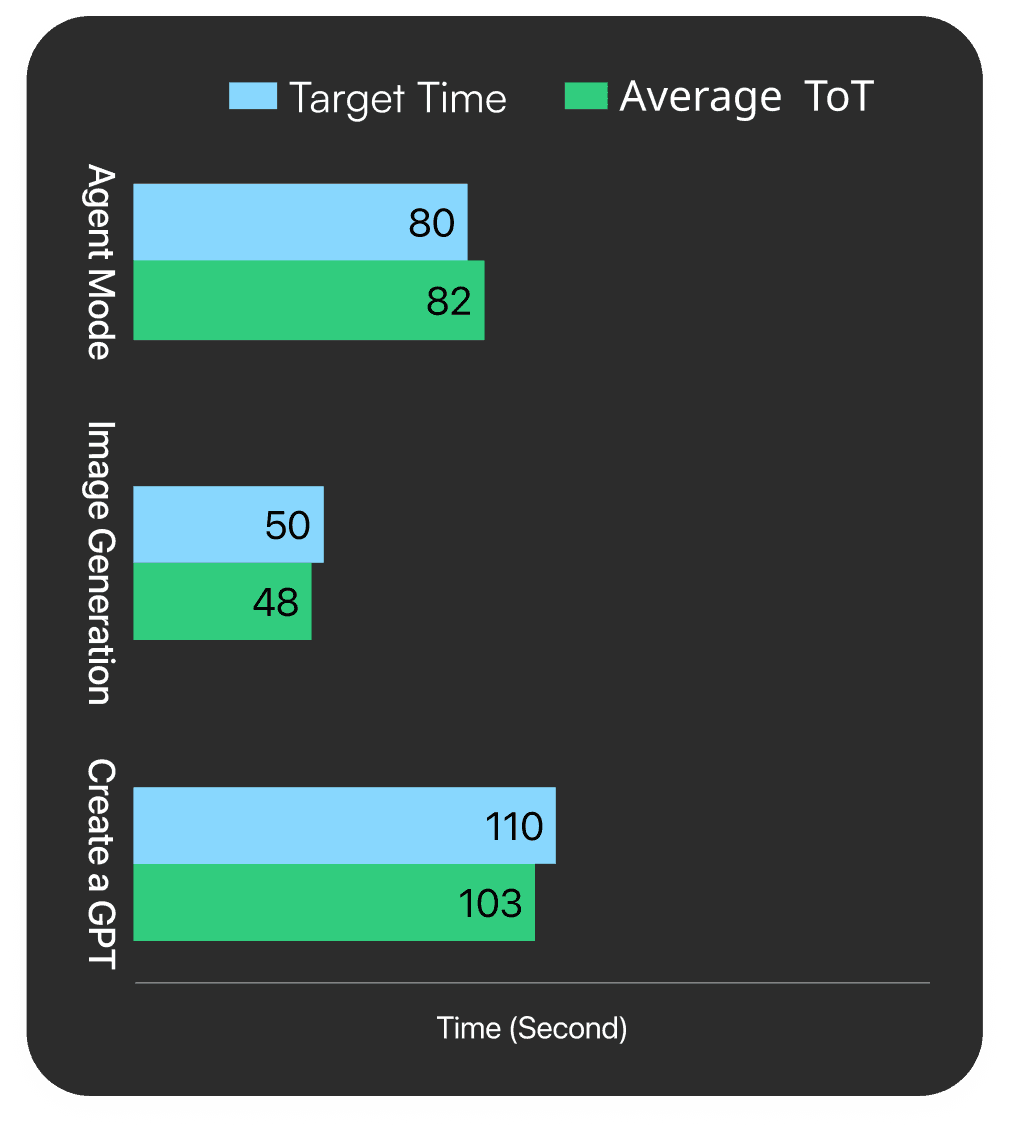
To validate our redesign, we ran a second round of usability testing using the same methodology and sample size. The quantitative results showed that we mostly met our target metrics, and the updated design delivered a significant improvement to the overall user experience.
Average Task Success Rate (TSR) of Each Redesigned Feature

Target TSR: 85%+
Average Time-on-Task (ToT) of Each Redesigned Feature
Confidence Interval of System Usability Scale (SUS) Score
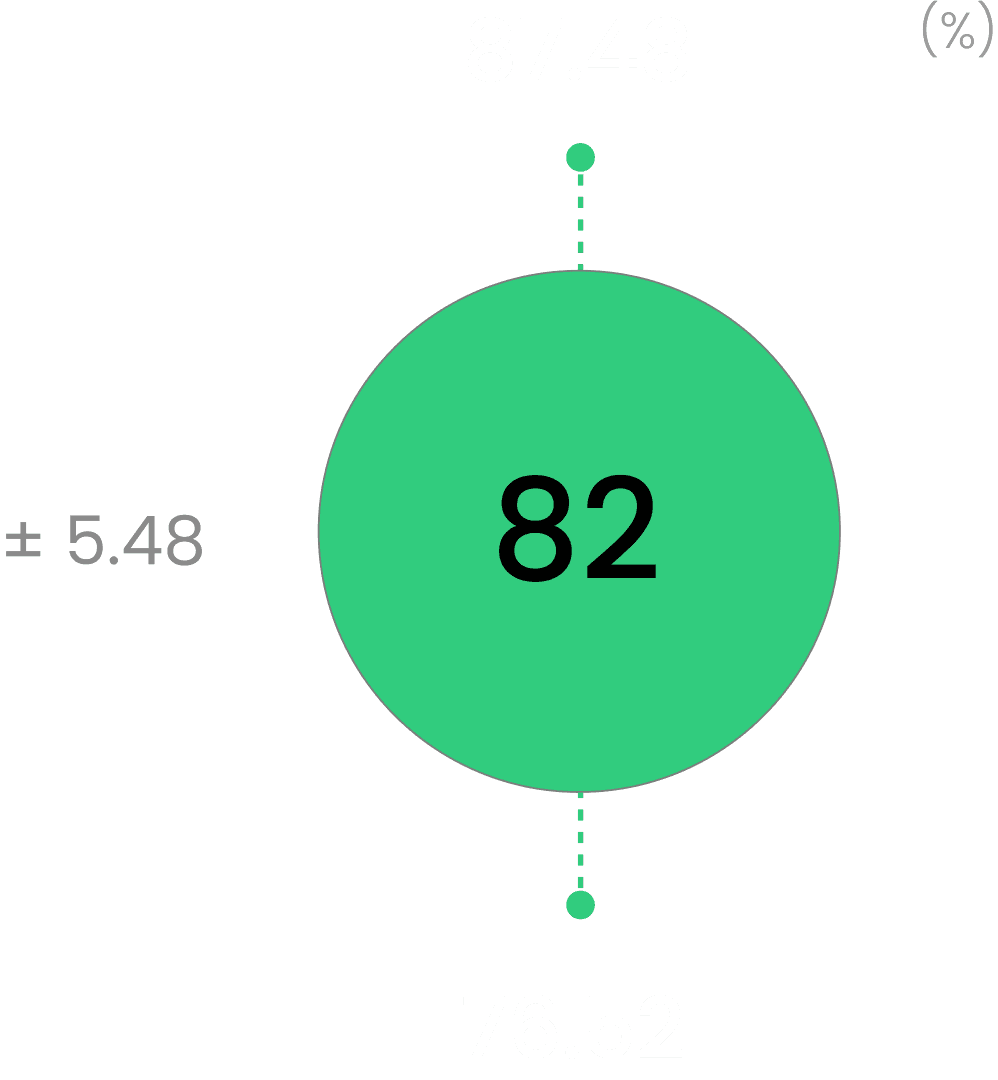
Target SUS Score: 80+
ROI Calculation
Cost
Estimated cross-functional cost for launching the new design, including design, engineering, marketing, legal, and operations:
$1.2M–$2.1M
*Based on OpenAI salaries and industry benchmarks for redesign efforts at companies of similar scale.
Return
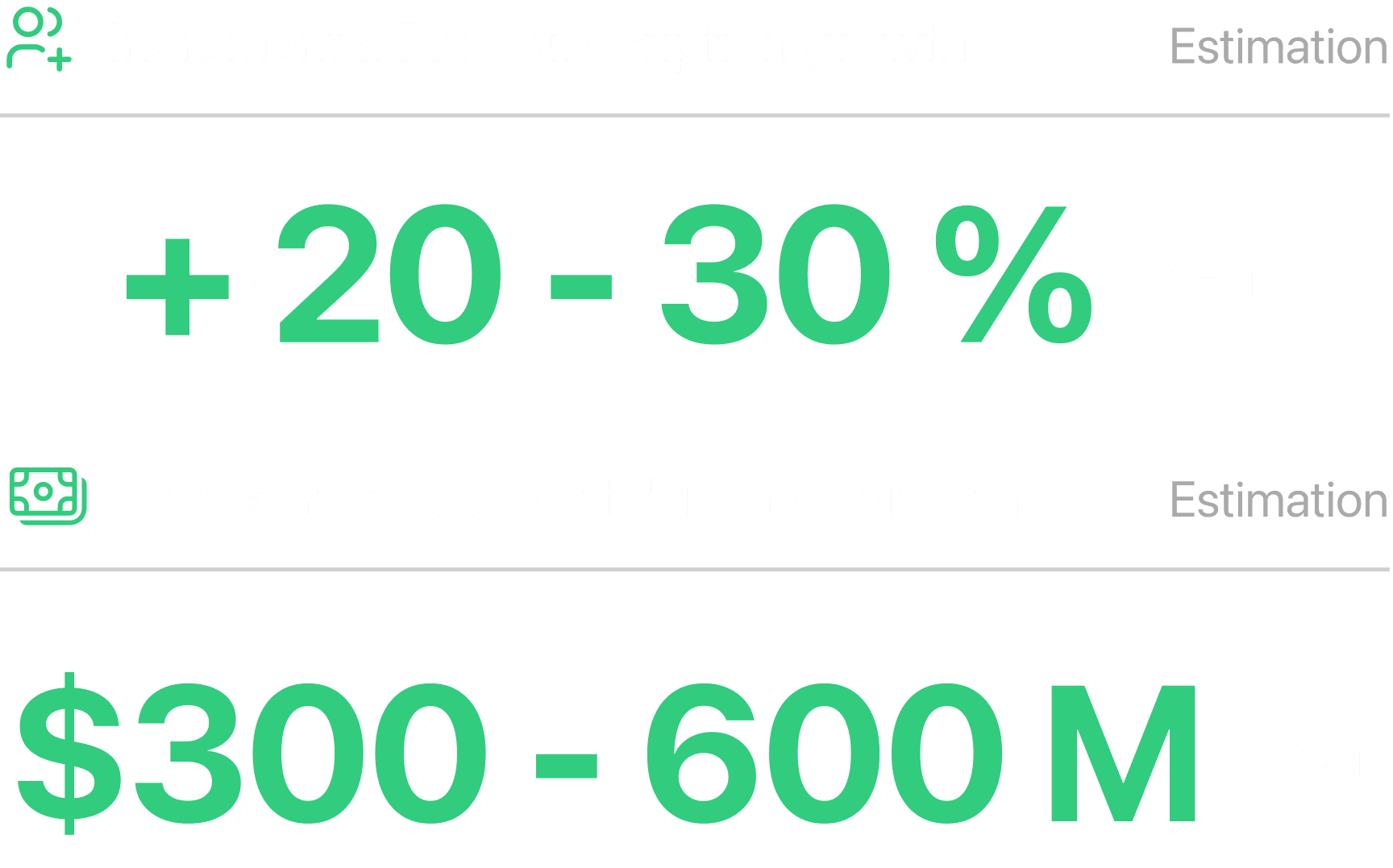
Using the most conservative figures from our usability testing survey, we project that the redesign will generate a 142–500× return on investment.
Limitations
The redesign does not yet cover mid- to low-priority features, which may still contain usability gaps.
A larger-scale usability study will be needed before full deployment to validate performance across broader user segments.
Cost and ROI estimates are based on conservative assumptions and would benefit from more precise financial modeling.
Impact
Positive Reactions From Users
To validate our redesign, we ran a second round of usability testing using the same methodology and sample size. The quantitative results showed that we mostly met our target metrics, and the updated design delivered a significant improvement to the overall user experience.
Average Task Success Rate (TSR) of Each Redesigned Feature
Target TSR: 85%+
Average Time-on-Task (ToT) of Each Redesigned Feature
Confidence Interval of System Usability Scale (SUS) Score
Target SUS Score: 80+
ROI Calculation
Cost
Estimated cross-functional cost for launching the new design, including design, engineering, marketing, legal, and operations:
$1.2M–$2.1M
*Based on OpenAI salaries and industry benchmarks for redesign efforts at companies of similar scale.
Return
Using the most conservative figures from our usability testing survey, we project that the redesign will generate a 142–500× return on investment.
Limitations
The redesign does not yet cover mid- to low-priority features, which may still contain usability gaps.
A larger-scale usability study will be needed before full deployment to validate performance across broader user segments.
Cost and ROI estimates are based on conservative assumptions and would benefit from more precise financial modeling.
Impact
Positive Reactions From Users
To validate our redesign, we ran a second round of usability testing using the same methodology and sample size. The quantitative results showed that we mostly met our target metrics, and the updated design delivered a significant improvement to the overall user experience.
Average Task Success Rate (TSR) of Each Redesigned Feature
Target TSR: 85%+
Average Time-on-Task (ToT) of Each Redesigned Feature
Confidence Interval of System Usability Scale (SUS) Score
Target SUS Score: 80+
ROI Calculation
Cost
Estimated cross-functional cost for launching the new design, including design, engineering, marketing, legal, and operations:
$1.2M–$2.1M
*Based on OpenAI salaries and industry benchmarks for redesign efforts at companies of similar scale.
Return
Using the most conservative figures from our usability testing survey, we project that the redesign will generate a 142–500× return on investment.
Limitations
The redesign does not yet cover mid- to low-priority features, which may still contain usability gaps.
A larger-scale usability study will be needed before full deployment to validate performance across broader user segments.
Cost and ROI estimates are based on conservative assumptions and would benefit from more precise financial modeling.
Impact
Positive Reactions From Users
To validate our redesign, we ran a second round of usability testing using the same methodology and sample size. The quantitative results showed that we mostly met our target metrics, and the updated design delivered a significant improvement to the overall user experience.
Average Task Success Rate (TSR) of Each Redesigned Feature
Target TSR: 85%+
Average Time-on-Task (ToT) of Each Redesigned Feature
Confidence Interval of System Usability Scale (SUS) Score
Target SUS Score: 80+
ROI Calculation
Cost
Estimated cross-functional cost for launching the new design, including design, engineering, marketing, legal, and operations:
$1.2M–$2.1M
*Based on OpenAI salaries and industry benchmarks for redesign efforts at companies of similar scale.
Return
Using the most conservative figures from our usability testing survey, we project that the redesign will generate a 142–500× return on investment.
Limitations
The redesign does not yet cover mid- to low-priority features, which may still contain usability gaps.
A larger-scale usability study will be needed before full deployment to validate performance across broader user segments.
Cost and ROI estimates are based on conservative assumptions and would benefit from more precise financial modeling.